Strollers fail in ordinary places, not only in labs
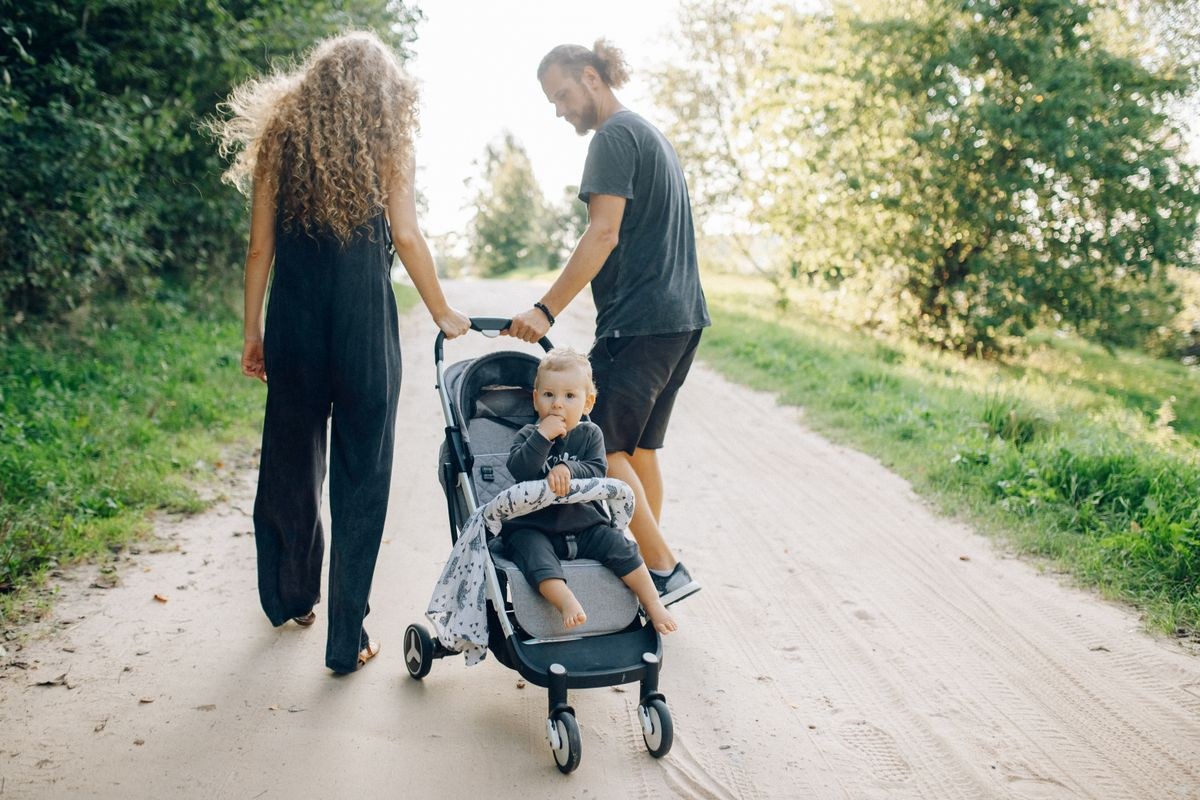
Most stroller problems appear on kerbs, in lifts and on uneven mall floors. Parents discover tipping risk when a bag hangs from the handle. They discover brake habits when a toddler leans sideways on a slope. Safety is less about a brand story and more about how you load, fold and supervise the seat every day.
Independent buying guidance such as the Consumer Reports stroller buying guide lists harness, brake and stability checks that still apply when you shop in Malaysia. Use those checks even when a display model looks compact and stylish.
What to test before you commit to a travel stroller
Open and close the fold ten times in the shop if staff allow it. Check whether the frame can pinch fingers. Confirm the harness adjusts for a growing child without improvising knots. Ask how the seat reclines for naps and whether the canopy actually blocks afternoon sun in a Malaysian car park.
Product pages that collect travel and everyday options, including this stroller range overview, are useful once you already know your must-have features. They are not a substitute for pushing the demo unit with a weighted bag in the basket. If you live in a walk-up flat, practise carrying the folded frame up a short flight before you buy. Weight that feels fine in a shop aisle can feel different on the third floor.
A clear explanation of bassinet, pramette and recline choices for younger babies.
Newborns need a near-flat lie for longer stretches. Toddlers need secure harness habits and a brake you can stamp without looking. Those needs rarely sit in one perfect frame forever, so plan for how you will use the seat at six months and at eighteen months.
High chairs tip for boring reasons
High chairs tip when trays become climbing platforms, when harnesses stay unclipped and when chairs sit too close to a table the child can push against. Mealtime gear should feel dull and stable. Spectacle features matter less than a wide base and a crotch restraint you actually use.
For feeding-chair feature lists and safety reminders, review the Consumer Reports high chair buying guide before you compare showroom models. Then look at a retailer page such as this high-chair product page with the same checklist in hand.
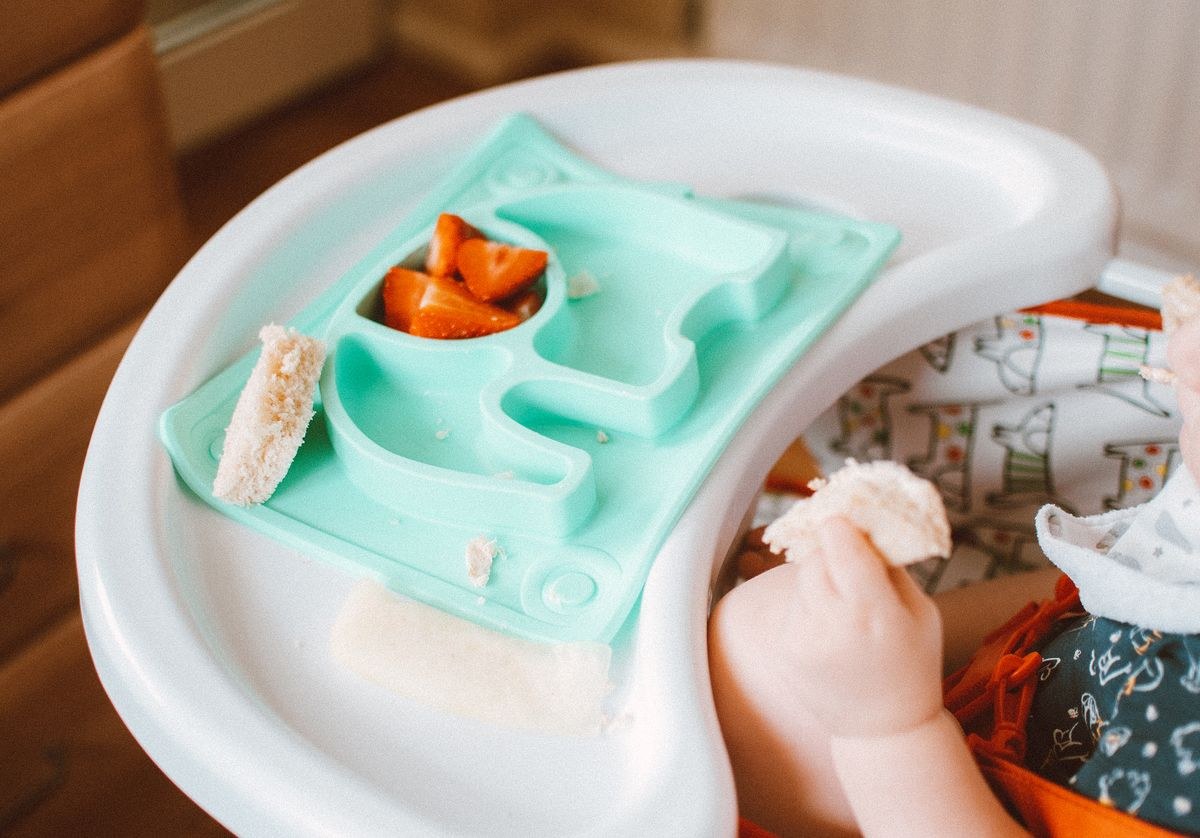
Wipeability matters in humid kitchens. Removable covers that survive hot water save more patience than fabric that only looks soft in a photo. Check whether the tray locks firmly enough that a determined toddler cannot lift it mid-meal. Look at the distance from the seat to the floor and whether the chair can be pulled over by a standing child. Stability tests in a quiet aisle are worth more than colour options.
Nursing chairs and feeding chairs are different jobs
A glider or nursing chair supports long feeds and night settling. A high chair supports upright meals once a child can sit with support. Mixing the two jobs in one purchase often means compromising both. If sleep-deprived nights are your main pain, prioritise a stable nursing seat with washable covers. If mealtimes are the chaos, prioritise high-chair harness habits first.
Some catalogues place nursing and feeding products on related pages. Read the intended age and use carefully so you do not buy a mealtime chair when you needed a late-night nursing seat, or the reverse.
A short list before you pay
Write your terrain: flats with lifts, landed homes with steps or lots of car travel. Test brakes, fold and harness on the exact model you will buy. For the high chair, insist on seeing the crotch post and harness used correctly. Keep receipts and recall-check habits. If you buy second-hand, check recall histories and refuse frames with cracked plastic or missing restraint parts. Gear that is easy to use correctly is safer than gear that only looks premium when nobody is tired.